Why Our Work Matters: Theories & Proof
Maslow’s Hierarchy of Needs:
This theory explains human needs as a hierarchy, beginning with basic physiological and safety needs and progressing toward self-actualization. A New Era America’s program model intentionally aligns with this framework. Phase 1 addresses safety and stability, including protection from trauma and the fulfillment of essential physiological needs when necessary. Phase 2 focuses on psychological well-being by empowering individuals through trauma-informed mental health support. Phase 3 strengthens belongingness by fostering community connection through ongoing resources and support. Together, these phases create a structured, holistic pathway that enables crisis survivors to rebuild stability, restore dignity, and ultimately move toward self-actualization. This approach appeals to pathos by centering human dignity and healing, and to logos by presenting a clear, evidence-based progression from crisis to thriving.

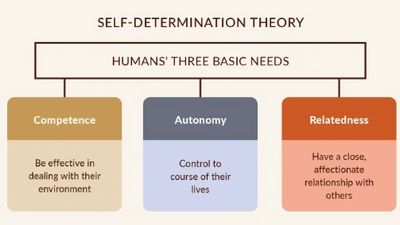
Self-Determination Theory (Deci & Ryan):
This theory emphasizes three basic psychological needs, autonomy, competence, and relatedness, for motivation and wellbeing. ANEA’s programs (e.g., job pathways, creative therapies) support these needs, helping individuals regain control and purpose post-crisis. This reinforces Logos with a scientific basis and Pathos by appealing to personal empowerment.